
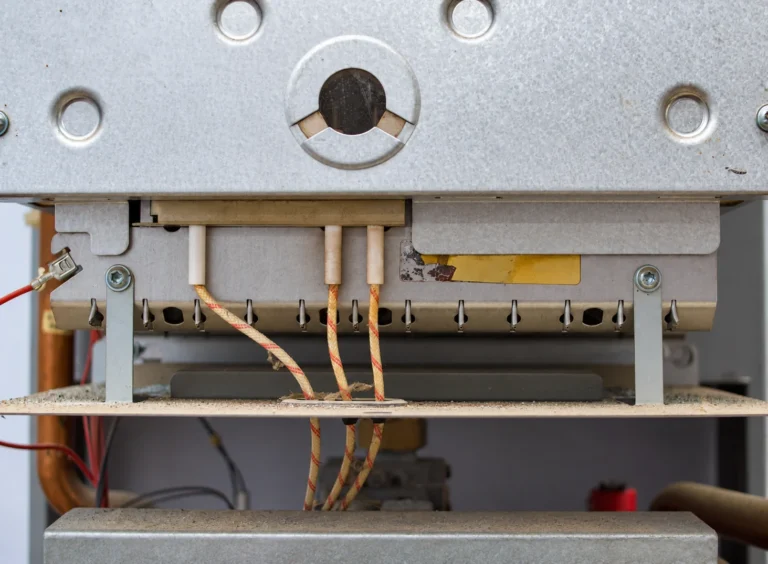
COMPONENT WIRING
Component and sub-assembly leads
Leads inside heaters, sensors, motors and other parts supplied to vehicle programmes. Specify the component drawing, local temperature and termination.
Used in the new-energy vehicle industry
APPLICATION / Automotive & EV
Component leads and battery-module wiring.
For component leads and battery-module wiring, we start from AGR silicone single-core wire: fine-stranded tinned copper with silicone rubber insulation, 0.3 mm² to 16 mm², rated −60 °C (−76°F) to +180 °C (356°F) continuous and U0/U 300/500 V from 0.5 mm².
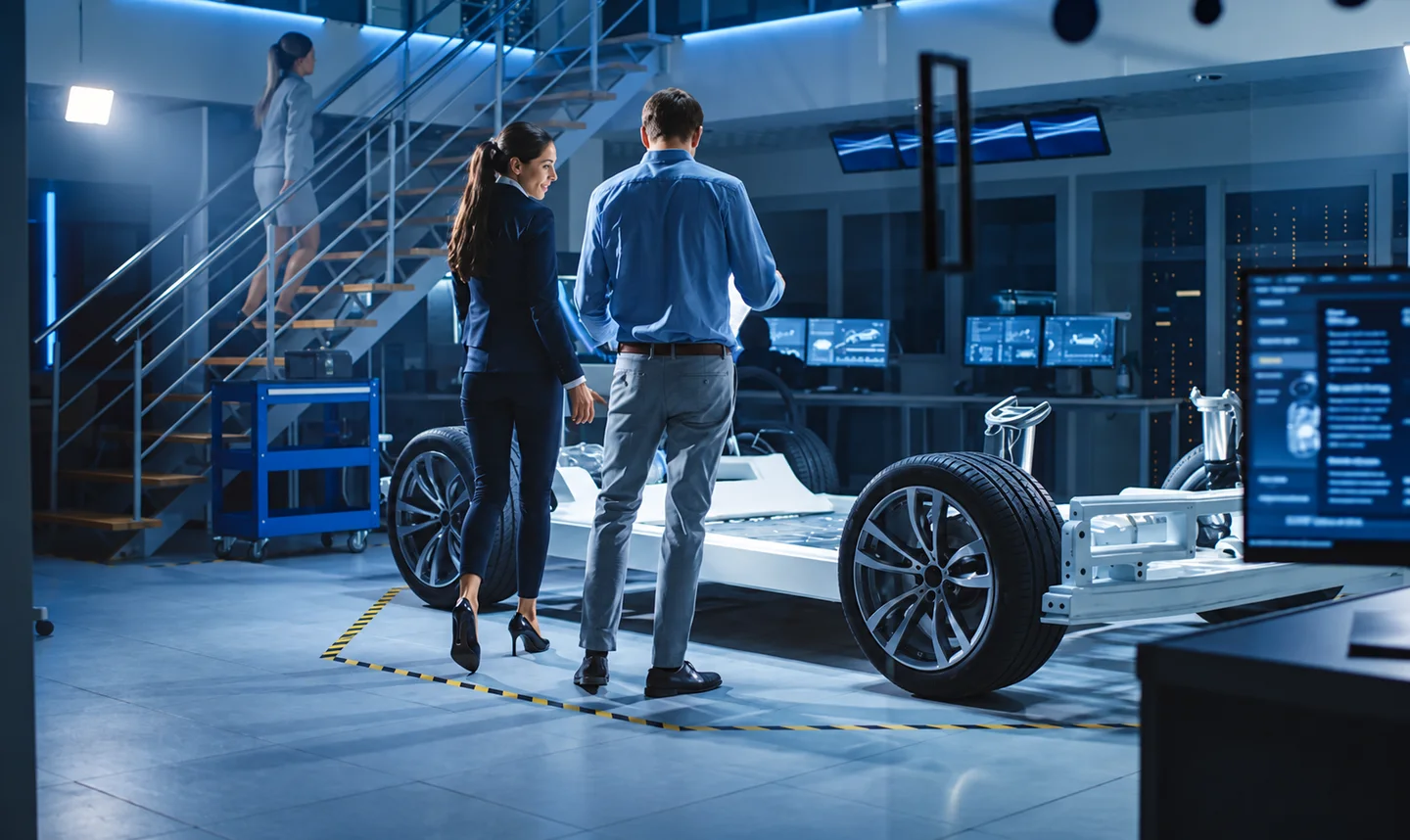
AT A GLANCE
Each vehicle connection and the silicone wire we start from.
| Connection | Cable construction | Key point |
|---|---|---|
| Component and sub-assembly leads | AGR silicone single-core wire, 0.3 mm² to 16 mm² | −60 °C (−76°F) to +180 °C (356°F) continuous, +200 °C (392°F) short-term |
| Battery-module and sampling leads | AGR silicone single-core wire in colour options | Voltage and current confirmed for vehicle use |
| On-vehicle high-voltage cables | Automotive HV cable requirements | Not covered by our standard range |
CONNECTION TASKS
AGR is a single-core lead wire. Automotive HV cable requirements such as ISO 19642 or LV 216 are separate from the AGR specification.
COMPONENT WIRING
Leads inside heaters, sensors, motors and other parts supplied to vehicle programmes. Specify the component drawing, local temperature and termination.
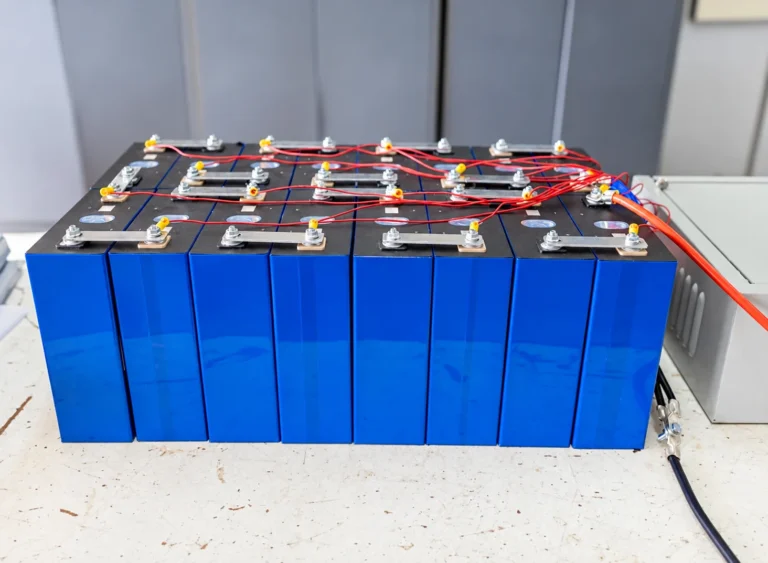
BATTERY WIRING
Power and voltage-sampling leads inside battery modules. Mark the circuit, conductor size and connector on the module drawing.
HV SYSTEM BOUNDARY
Traction-battery, inverter and charging circuits follow automotive high-voltage cable standards. Send the required standard and test plan for a custom construction review.
SELECTION CHECKS
Include these conditions with your enquiry so we can select the right cable.
The automotive or OEM standard, for example ISO 19642 for high-voltage cables, and its required tests define the cable.
The local temperature near engines, heaters or power electronics, and any oil, coolant or fuel exposure, set the material requirements.
Routing, fixing points, bend locations and vibration decide the mechanical design. Flexible insulation does not replace a fatigue test.
OUR CABLE
Construction and technical data.
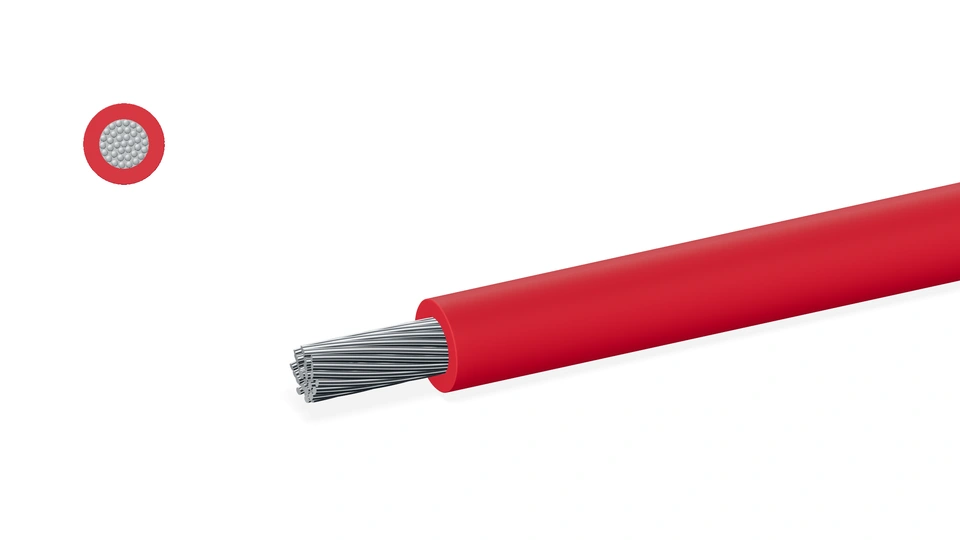
AGR / SINGLE-CORE WIRE
APPLICATION LIMITS
Different parts of a vehicle are governed by different cable specifications.
TECHNICAL DOCUMENTS
Product datasheet and quotation checklist.
Construction, applications and size table.
Certification is model-specific; the marks on a datasheet do not replace a certificate.Send a drawing or existing cable specification with the following information.
BEFORE YOU SPECIFY
No. Our standard wires are not ISO 19642 or LV 216 cables. A cable to these standards can be reviewed as a custom project, with the required testing.
The AGR wire shown uses silicone insulation and is rated up to +180 °C (356°F) continuously, with +200 °C (392°F) short-term exposure. Its datasheet does not list ISO 19642 or LV 216 compliance.
AGR silicone wire is listed from 0.3 mm² to 16 mm², with outside diameters from 1.8 mm to 8.0 mm. Other sizes and colours are made to order.
CUSTOM SUPPORT & ENQUIRY
Need a custom size or construction? Send your drawing, operating conditions and required quantity for a quotation.