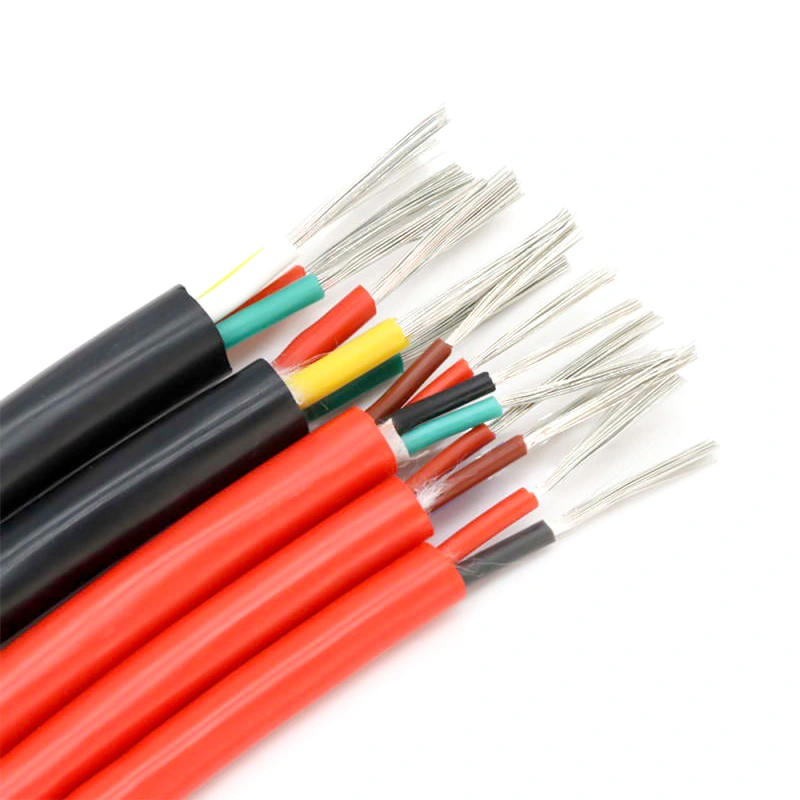
Unscreened
Tear-Resistant Silicone Control Cable
- Core sizes
- 0.75 mm² / 1.0 mm² / 1.5 mm² / 2.5 mm² / 4.0 mm² / 6.0 mm²
Silicone wire & cable / Tear-Resistant Silicone Cables
High-tear silicone sheath designs for damage-prone installations.
For cables exposed to nicks during assembly or maintenance, start with an extrusion-grade high-tear silicone sheath, stranded copper conductors and separately selected core insulation. Match the compound and cable construction to how damage occurs.
Browse the range
Compare the construction and the listed core sizes. Open a product for its dimensions and specification.
High-tear designs are developed with an agreed compound, layer arrangement and acceptance plan. Material tear strength, abrasion resistance and pulling performance are specified separately.
1 product
Unscreened
Share the materials, dimensions and operating conditions required by your equipment.
Discuss a custom cable →Inside the factory
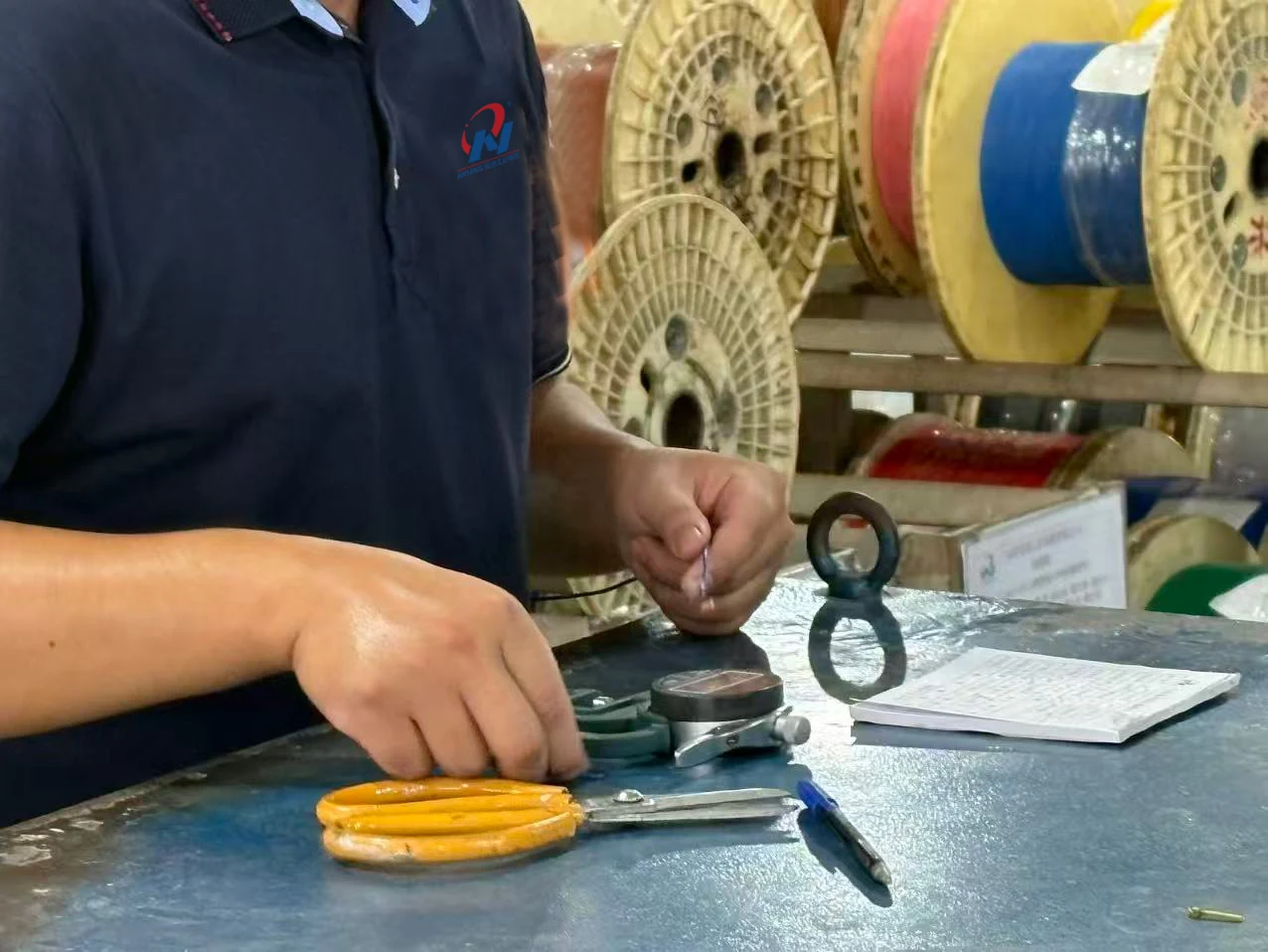
See the silicone processing area and inspection work at ANYANG. Discuss the construction and operating requirements for your selected cable.
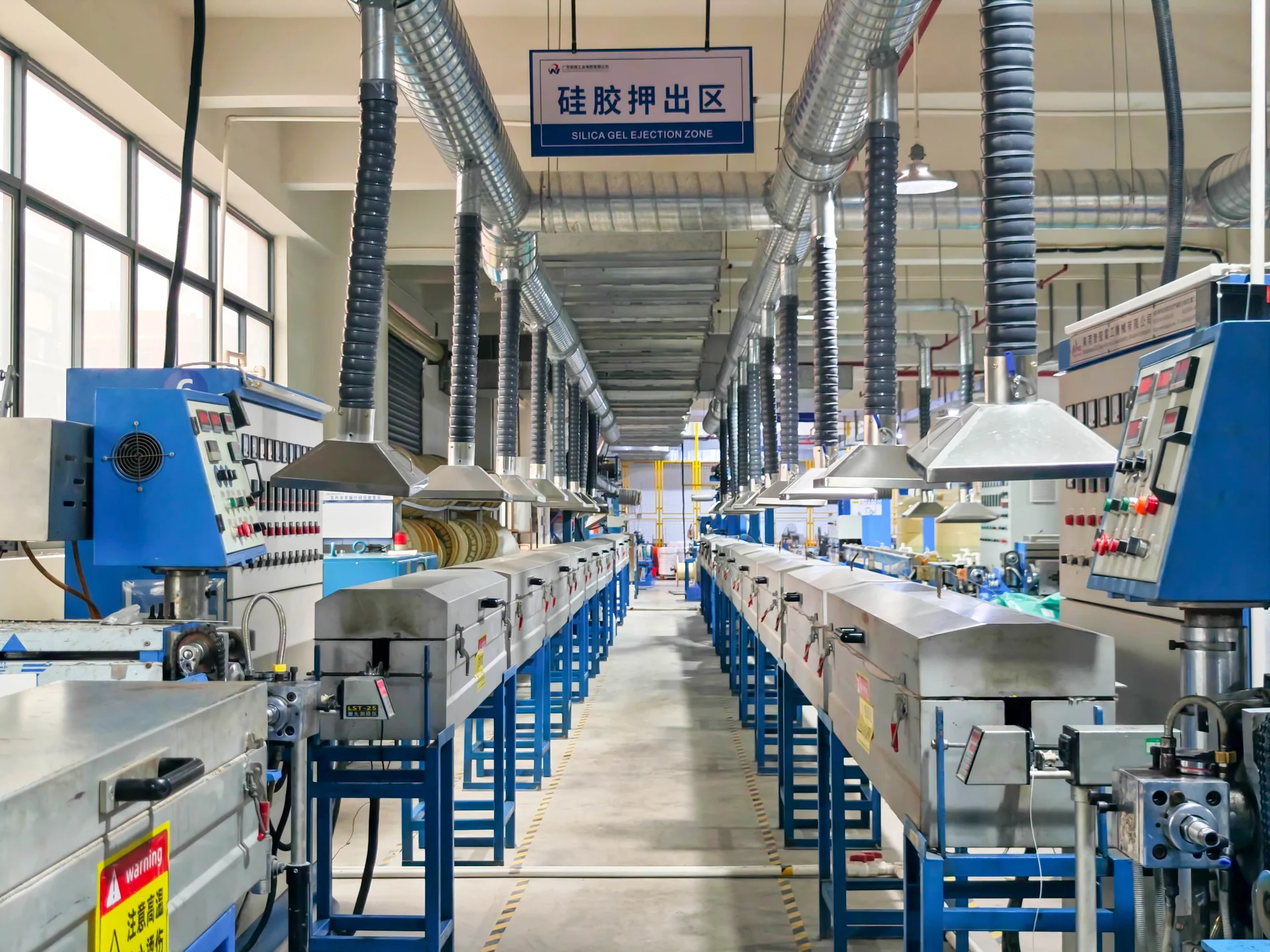
Inside silicone processing
Our production equipment includes silicone extruders and silicone rubber mixing machines.
Our process, quality inspection and custom development teams can review your specification and project requirements.
Why ANYANG
Factory facilities, drawing review and visible inspection work support a clear cable specification.
Silicone extrusion and rubber mixing equipment are part of our production facilities. Take a closer look at the workshop.
Inside the factoryDamage and loading, Material and dimensions, Acceptance and supply: discuss these requirements with our process and custom development teams.
Custom cable supportView conductor-resistance testing and wire first-inspection work from our factory. Confirm the inspection and documentation requirements for the cable you select.
Quality & testing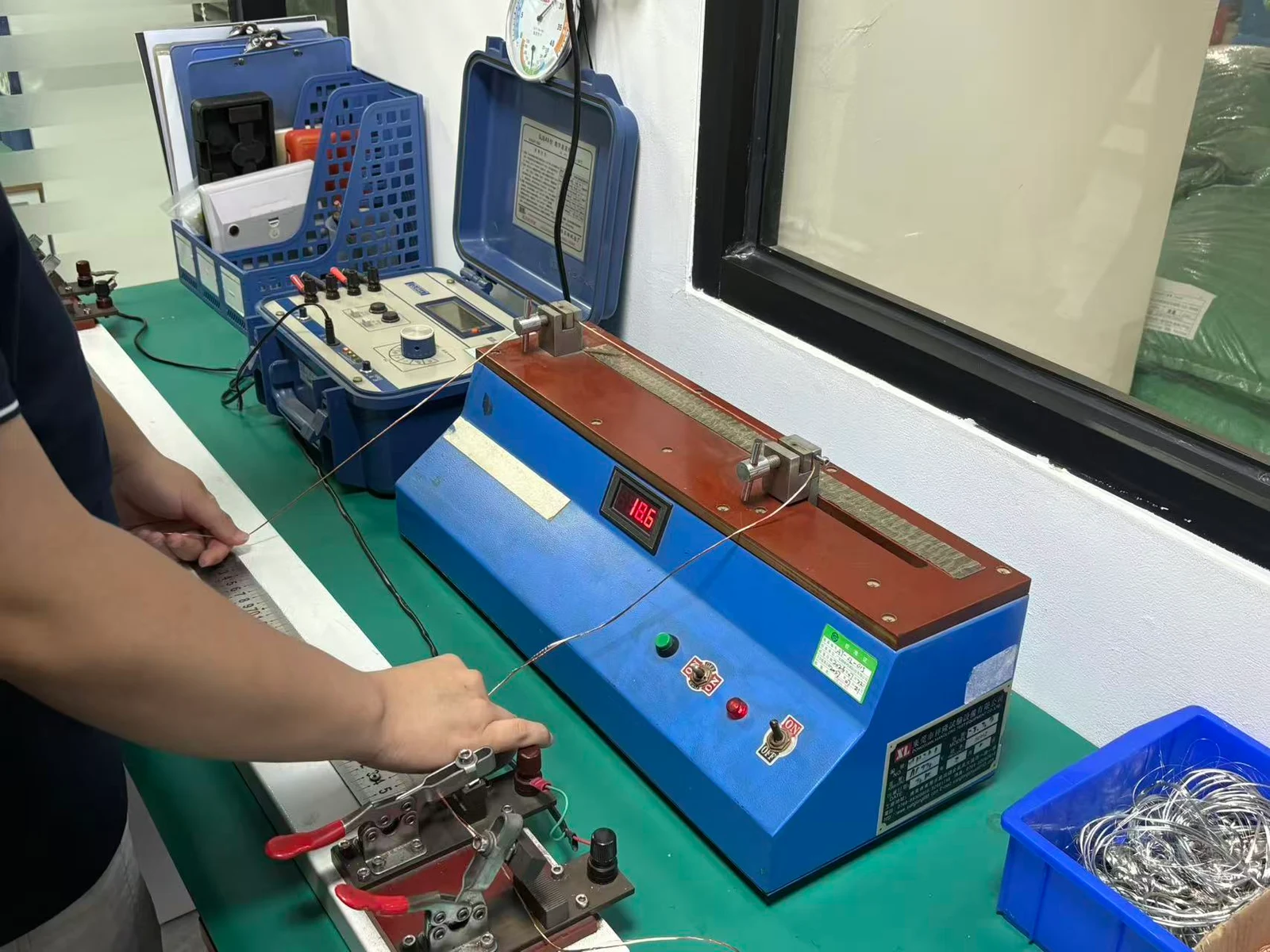
Mechanical duties
The custom specification separates material tear resistance from abrasion and pulling performance. Each relevant mechanism receives its own acceptance requirement.
| Damage mechanism | Design starting point | Qualification |
|---|---|---|
| Tearing from a nick | Extrusion-grade high-tear silicone outer sheath; a roughly 50 Shore A material class is a concrete screening starting point. | Record cured-material tear strength in N/mm using a defined method such as ASTM D624 Die B, with cure, specimen and conditioning recorded. |
| Repeated surface rubbing | Select the sheath compound and thickness with the actual contact surface, pressure and routing in view. | Run a separate finished-cable wear check with the contact surface, load, stroke and cycle count defined. |
| Pulling at the cable exit | Design the cable support, strain relief and load path around the specified pulling force. | Define force, duration, fixture and acceptance at the finished cable and termination. |
Construction review
Develop the selected compound and layer arrangement together. A high-tear silicone formulation is a concrete alternative to treating every mechanical requirement as a reinforcement question.
Screen the compound for hardness, tear strength, processing and operating temperature. Agree the exact grade, curing process and material checks before producing the cable sample.
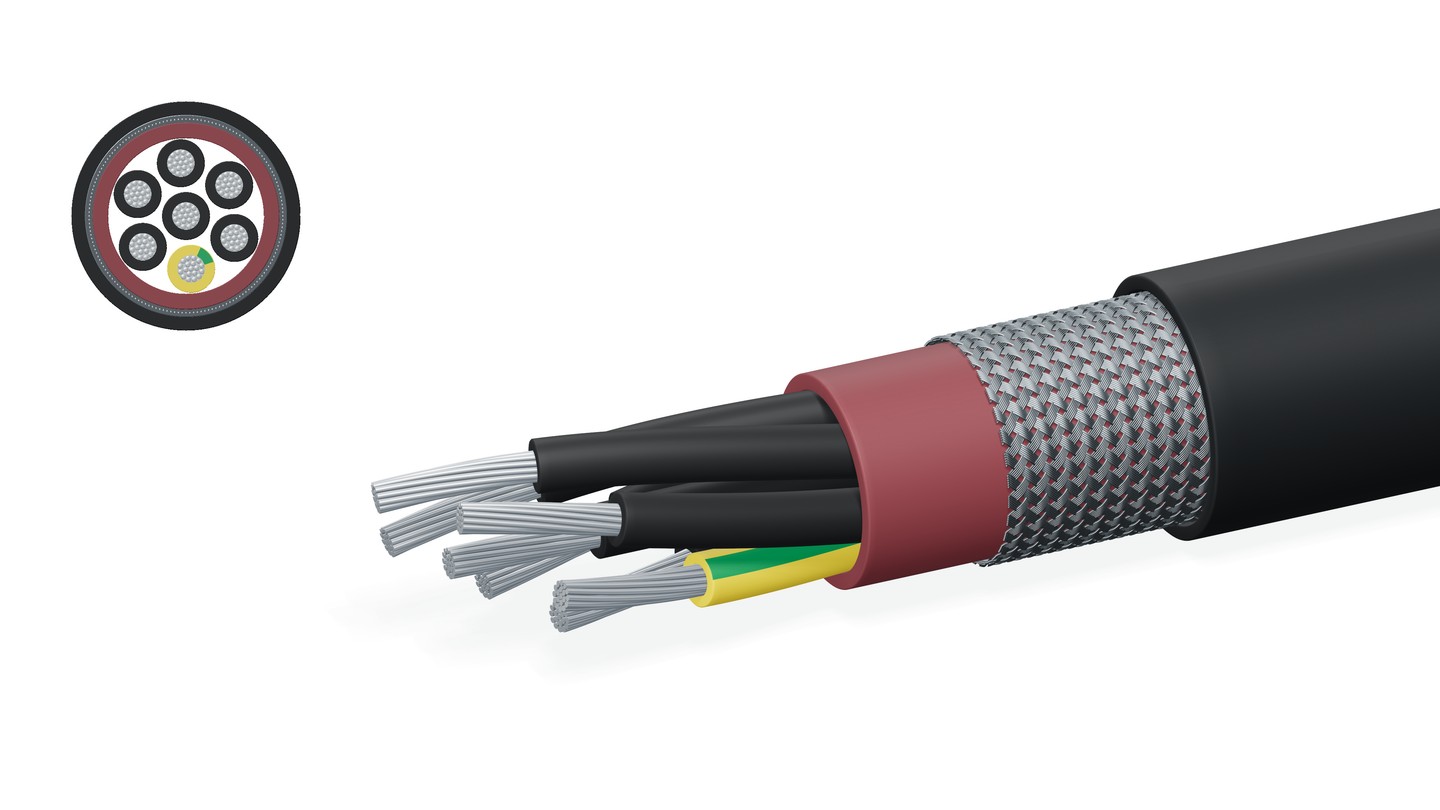
For a sheath, select an extrusion-grade high-tear silicone. For an insulation layer, select a grade that also meets the agreed electrical and thermal requirements. For a screened multicore design, record the inner covering, copper braid and high-tear silicone outer sheath separately.
Combine cured-material tear measurements with finished-cable checks under the actual routing and contact conditions. A material test value is not a cable service-life result.
Prepare the brief
A photograph of the route or a damaged sample can help define what needs to be reviewed.
Show the damaged area, contact surfaces, edges and loading direction. Include the route and how often movement occurs.
State temperature, liquids or cleaning exposure, motion and pulling loads at the cable and terminations.
Provide the required test method and result, dimensional limits, sample needs and order quantity.
Custom & supply
We manufacture custom cables to the agreed project specification. Share your drawing, operating conditions, quantity and delivery destination so we can define the construction, samples and supply terms.
Discuss your specificationPacking & delivery
Include the required length per coil or reel, order quantity, labelling and delivery destination. Packing method, minimum order quantity and lead time are confirmed for the project.
See packing & delivery information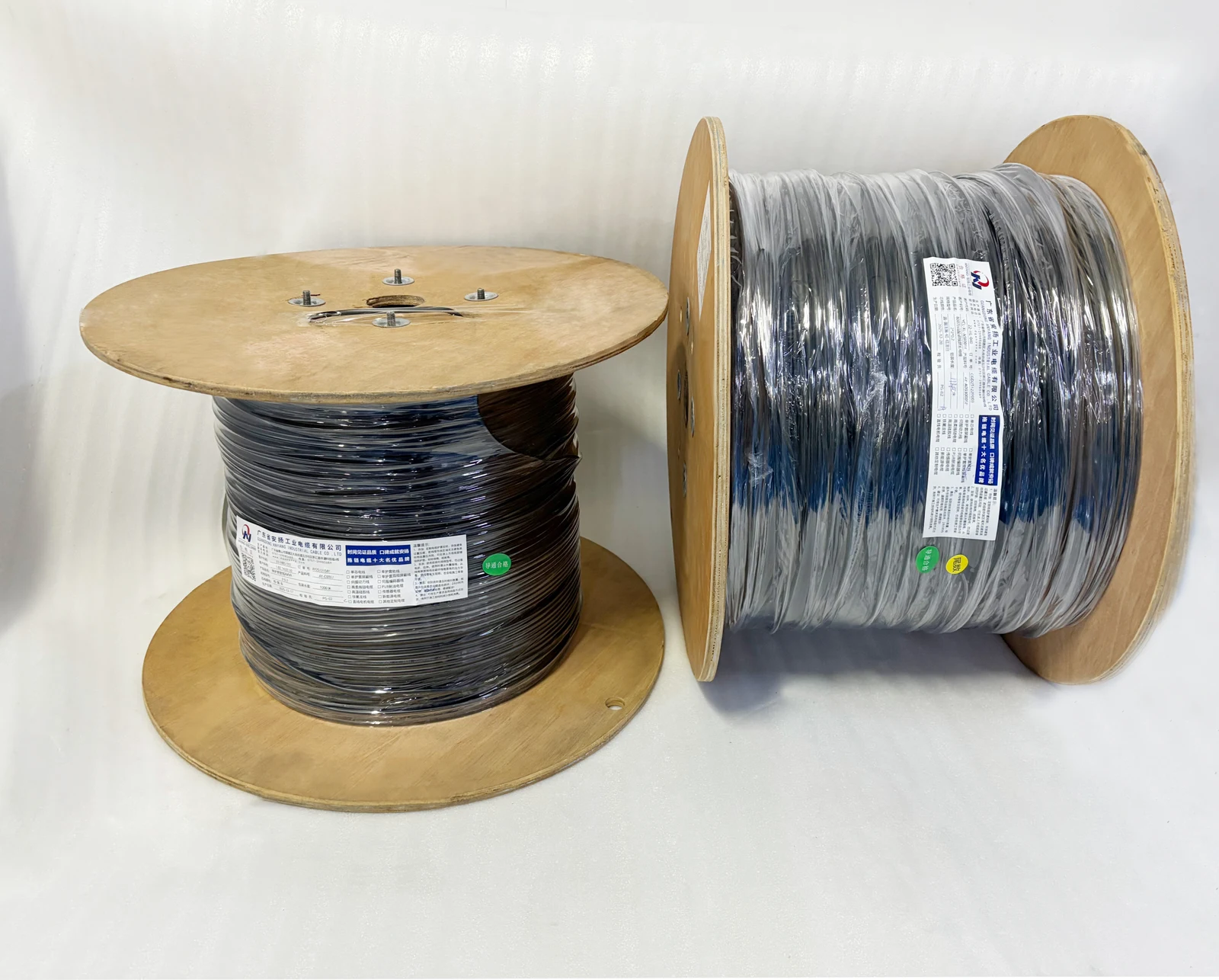
Free samples
We offer free samples.
Request separate acceptance criteria and evidence for tearing, surface wear and pulling loads. One description does not establish all three.
A custom starting point is stranded copper, separately specified core insulation and an extrusion-grade high-tear silicone outer sheath. Screen an approximately 50 Shore A compound class, then agree the cured-material tear method and finished-cable acceptance checks.
Application suitability needs separate assessment. Confirm the test method and conditions, then evaluate the complete cable under the intended installation conditions.
CABLE SELECTION & QUOTATIONS
You do not need an ANYANG model number. Share a drawing, existing cable marking or a description of your equipment.
Include the quantity you need and any known dimensions, voltage, temperature or movement requirements. We will check the specification with you.
claire@aycables.com